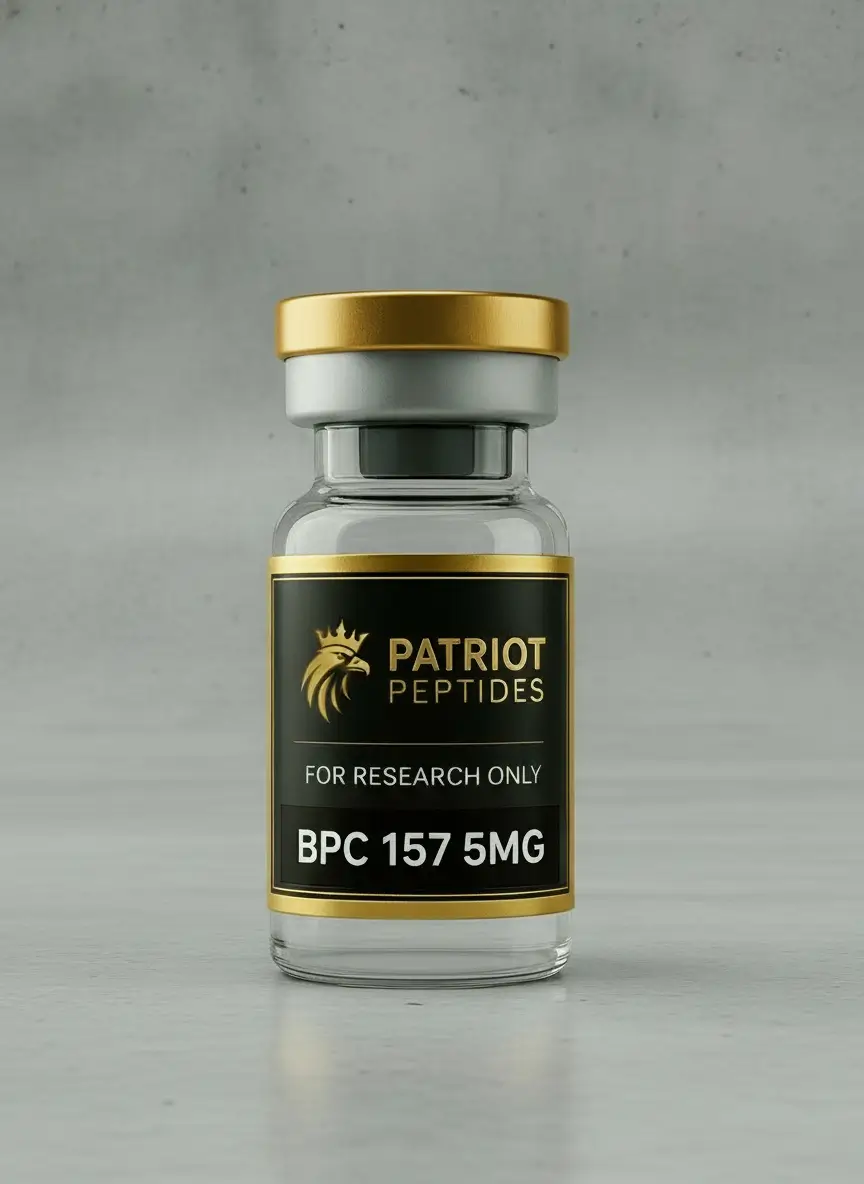
BPC 157 is a precision peptide used in scientific studies focused on muscle repair, tissue regeneration, and recovery pathways.
$59.00
48 in stock
BPC 157 is one of the most respected peptides in modern recovery science. Derived from a naturally occurring protein in the human stomach, BPC 157 is researched for its potential influence on tissue repair, cellular regeneration, and overall recovery processes. Its profile makes it a favorite in muscle, tendon, and connective-tissue studies u2014especially in environments investigating healing response and performance stressors
BPC 157 remains a cornerstone peptide in recovery-focused research thanks to its stability, versatility, and wide range of scientific applications.
BPC-157 is a laboratory-grade, lyophilized peptide designed for controlled in-vitro studies and molecular pathway exploration. Its stable freeze-dried form supports precise analytical work focused on peptide interactions and structural behavior under controlled laboratory conditions.
Researchers commonly evaluate BPC-157 in:
For laboratory research only. Not for human or animal use.
No reviews yet.
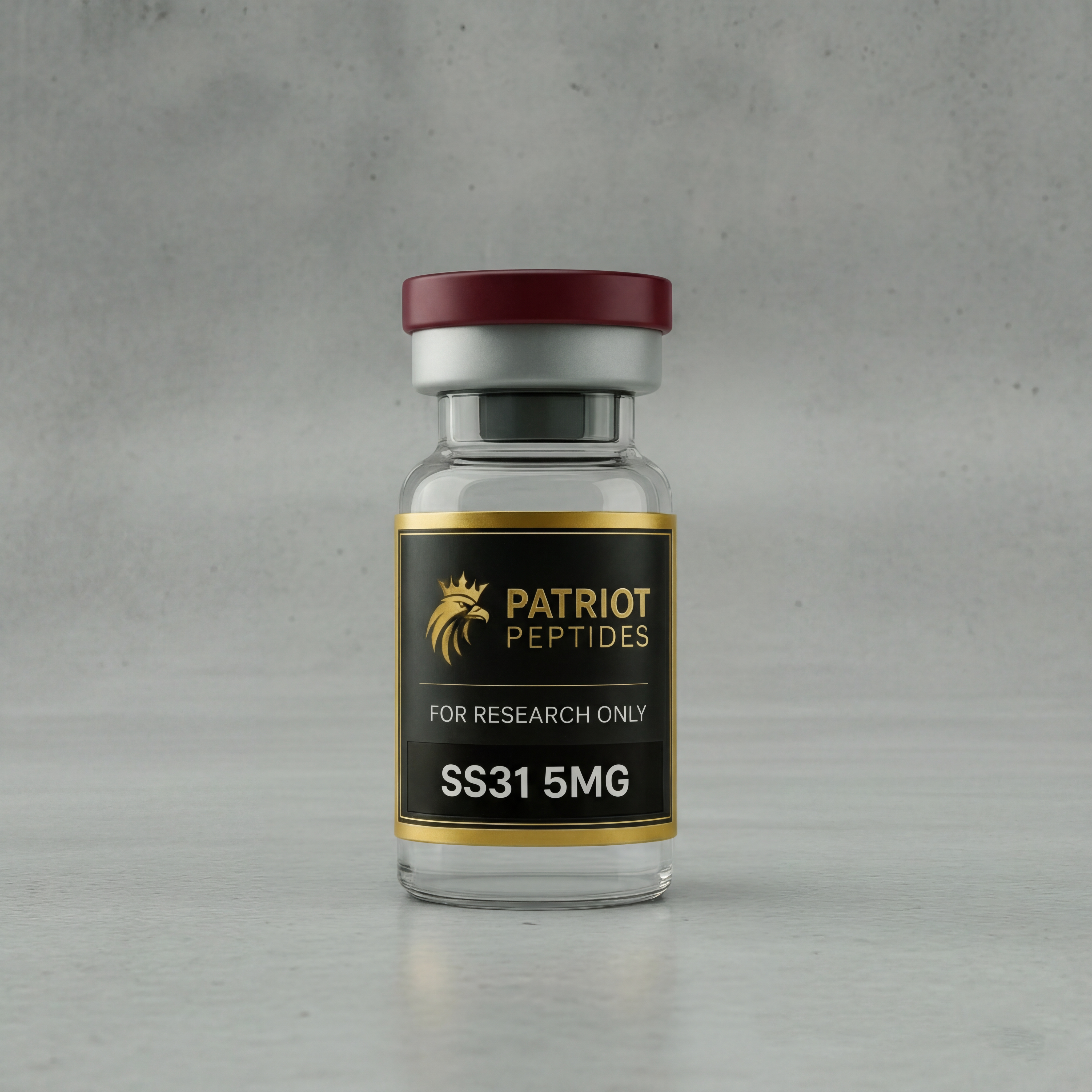
SS-31 (5 mg) is a synthetic tetrapeptide developed for use in laboratory and analytical research environments, where it is studied for its affinity to mitochondrial membranes and its role in cellular bioenergetic pathways. In non-clinical research contexts, SS-31 is commonly evaluated to better understand mitochondrial structure-function relationships, oxidative stress markers, and peptide–membrane interactions under controlled experimental conditions.
This compound is provided as a lyophilized powder and is intended exclusively for use by qualified professionals trained in the handling of research chemicals. SS-31 is not intended for human or animal use and is not approved for diagnostic, therapeutic, or preventive applications. All handling, storage, and experimental use should follow established laboratory safety protocols and institutional guidelines.
$47.00
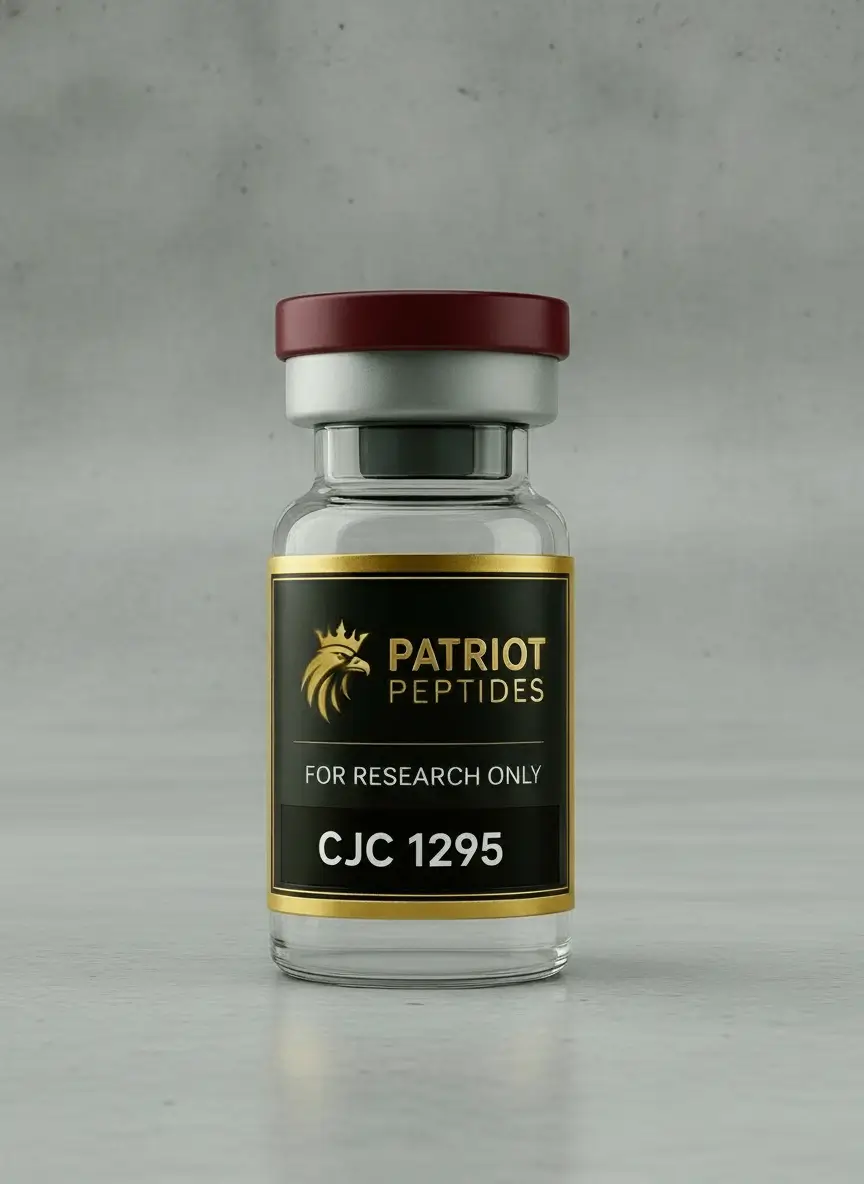
CJC-1295 (No DAC) is a synthetic peptide fragment studied in laboratory and in-vitro research settings for its interaction with growth hormone–releasing hormone (GHRH) receptors. This compound is structurally designed without a Drug Affinity Complex (DAC), resulting in a shorter biological half-life compared to DAC-modified analogs.
In controlled research environments, CJC-1295 (No DAC) is commonly evaluated for its receptor-binding characteristics, signaling pathways, and degradation kinetics. Its rapid clearance profile makes it of interest for studies requiring precise temporal control during experimental observation.
This product is supplied strictly for laboratory research purposes only and is not intended for human or animal consumption, diagnosis, treatment, or prevention of any disease.
$35.00
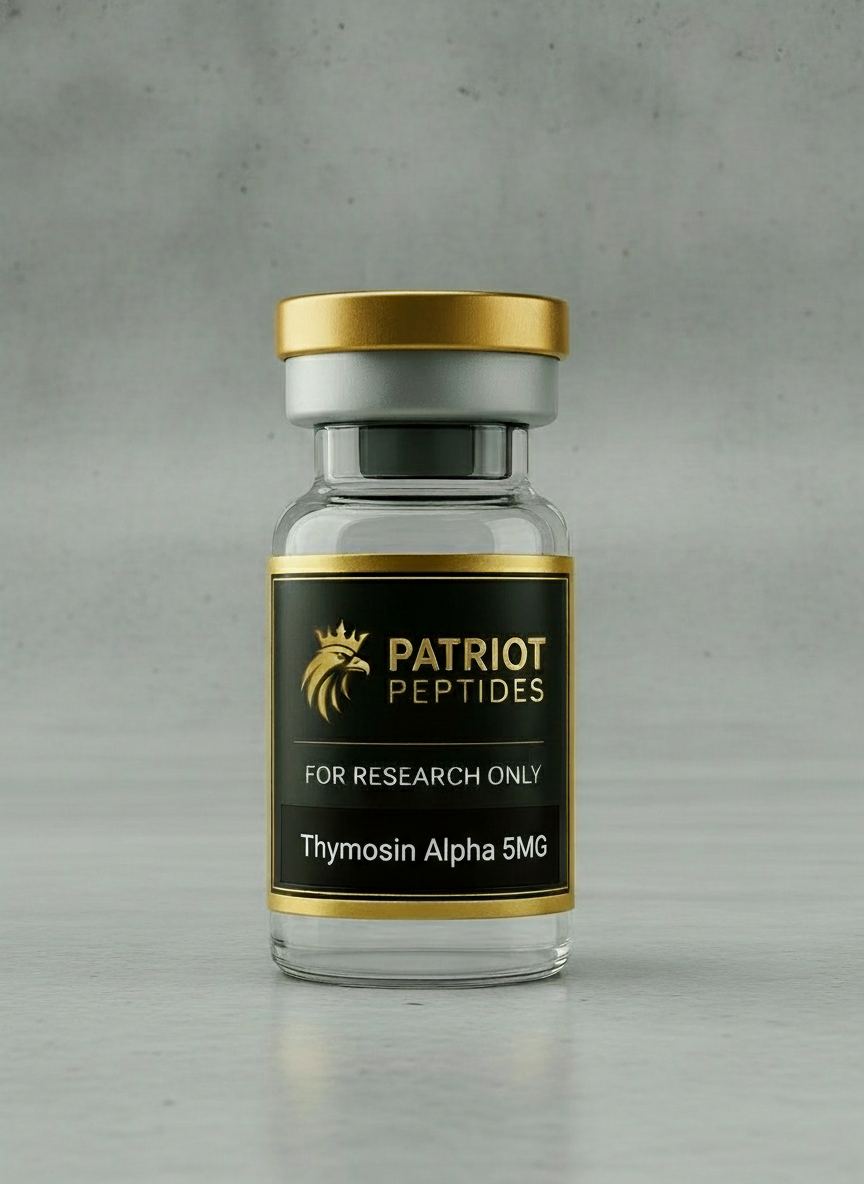
Thymosin Alpha is studied for immune-regulation pathways, resilience modeling, and wellness-driven research.
$74.00
Tesamorelin is studied for GH stimulation, lipid metabolism pathways, and body-composition modeling.
$84.00
TB-500 (5MG) is designed for broader research involving tissue rebuilding, mobility pathways, and recovery enhancement.
$84.00
Reviews
There are no reviews yet.