
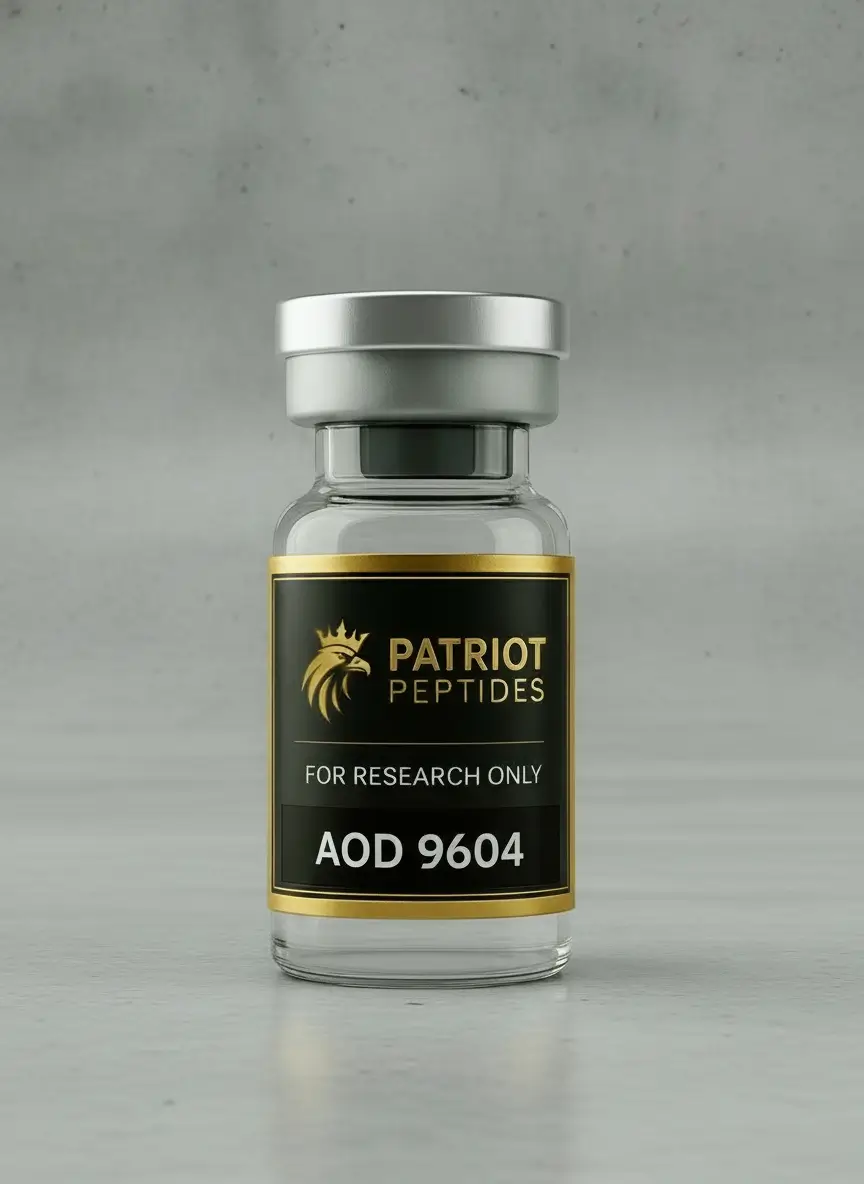
AOD-9604 (2mg) is a laboratory-grade peptide studied in metabolic pathway research models. Supplied in lyophilized form and intended strictly for scientific research use only.
$44.00
In stock
AOD-9604 (2mg) is a synthetic peptide compound studied in controlled laboratory environments for its interaction within metabolic signaling pathways. In research settings, AOD-9604 is examined to better understand regulated peptide activity within metabolic research frameworks.rnrnEach vial is manufactured under strict quality-controlled standards to ensure consistency, purity, and reliability for laboratory applications. Packaging and handling procedures are designed to preserve compound stability during storage and transit.rnrnResearchers exploring metabolic pathway models often reference AOD-9604 alongside related compounds within structured investigational environments. Proper laboratory storage and handling procedures are recommended to maintain compound integrity.rnrnThis product is supplied strictly for scientific research purposes and is not approved for human or veterinary use.
Researchers reference AOD 9604 as a research tool for studying metabolic mechanisms under controlled experimental conditions, particularly in in vitro and preclinical models focused on energy utilization and lipid signaling processes.
AOD-9604 (2mg) is supplied for laboratory research involving metabolic pathway analysis. Manufactured under controlled quality standards and packaged securely to maintain stability. For research use only.
Suitable for controlled laboratory studies involving:
For laboratory research only. Not for human or animal use.
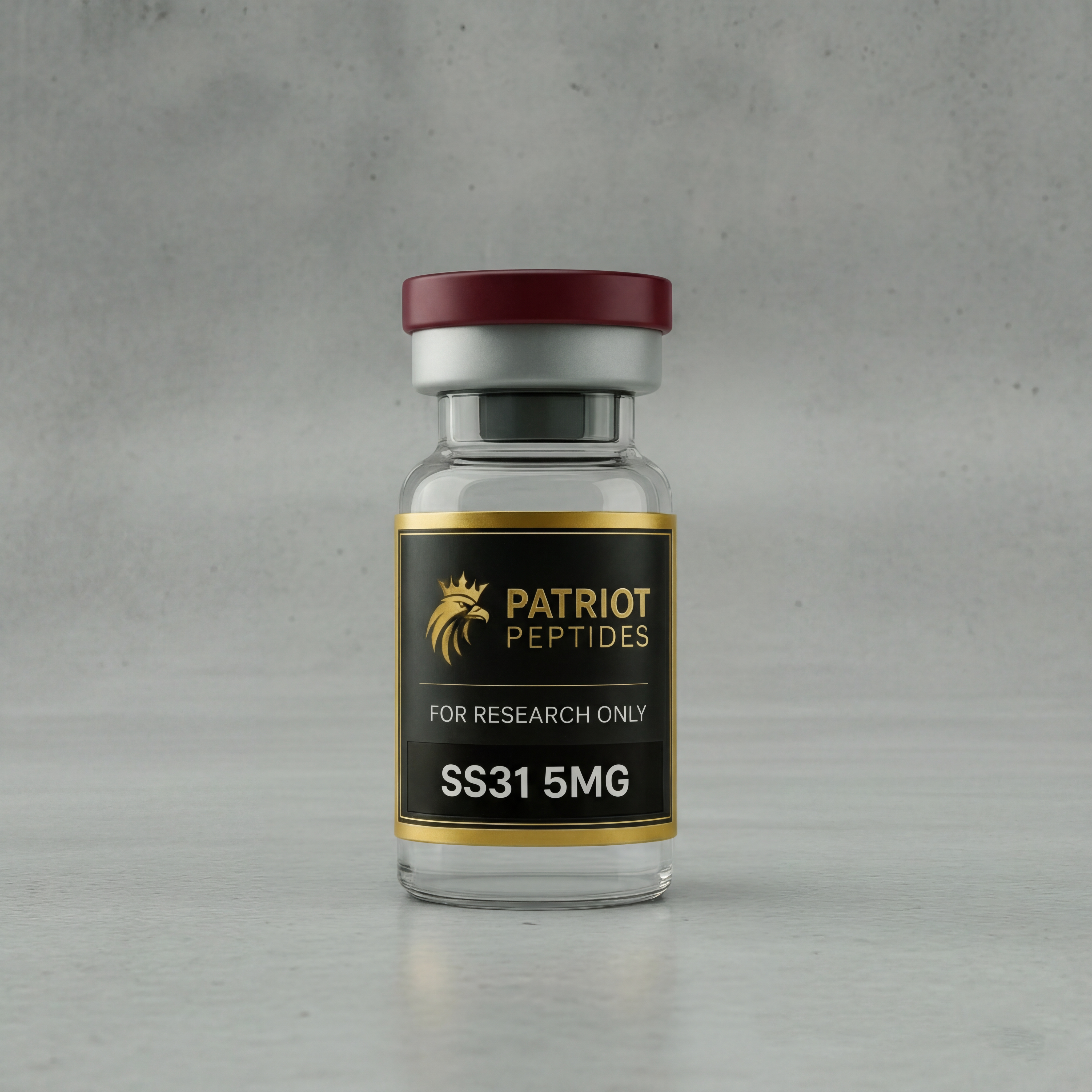
SS-31 (5 mg) is a synthetic tetrapeptide developed for use in laboratory and analytical research environments, where it is studied for its affinity to mitochondrial membranes and its role in cellular bioenergetic pathways. In non-clinical research contexts, SS-31 is commonly evaluated to better understand mitochondrial structure-function relationships, oxidative stress markers, and peptide–membrane interactions under controlled experimental conditions.
This compound is provided as a lyophilized powder and is intended exclusively for use by qualified professionals trained in the handling of research chemicals. SS-31 is not intended for human or animal use and is not approved for diagnostic, therapeutic, or preventive applications. All handling, storage, and experimental use should follow established laboratory safety protocols and institutional guidelines.
$47.00
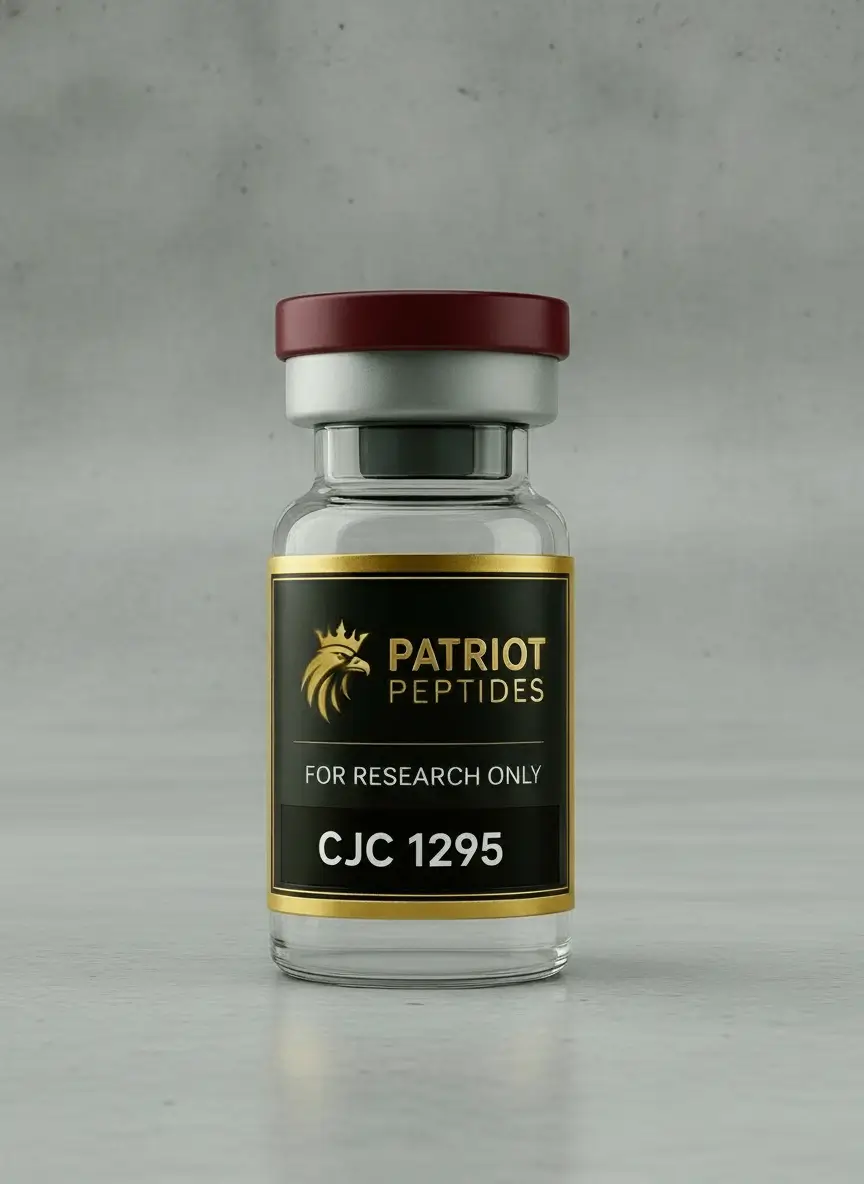
CJC-1295 (No DAC) is a synthetic peptide fragment studied in laboratory and in-vitro research settings for its interaction with growth hormone–releasing hormone (GHRH) receptors. This compound is structurally designed without a Drug Affinity Complex (DAC), resulting in a shorter biological half-life compared to DAC-modified analogs.
In controlled research environments, CJC-1295 (No DAC) is commonly evaluated for its receptor-binding characteristics, signaling pathways, and degradation kinetics. Its rapid clearance profile makes it of interest for studies requiring precise temporal control during experimental observation.
This product is supplied strictly for laboratory research purposes only and is not intended for human or animal consumption, diagnosis, treatment, or prevention of any disease.
$35.00
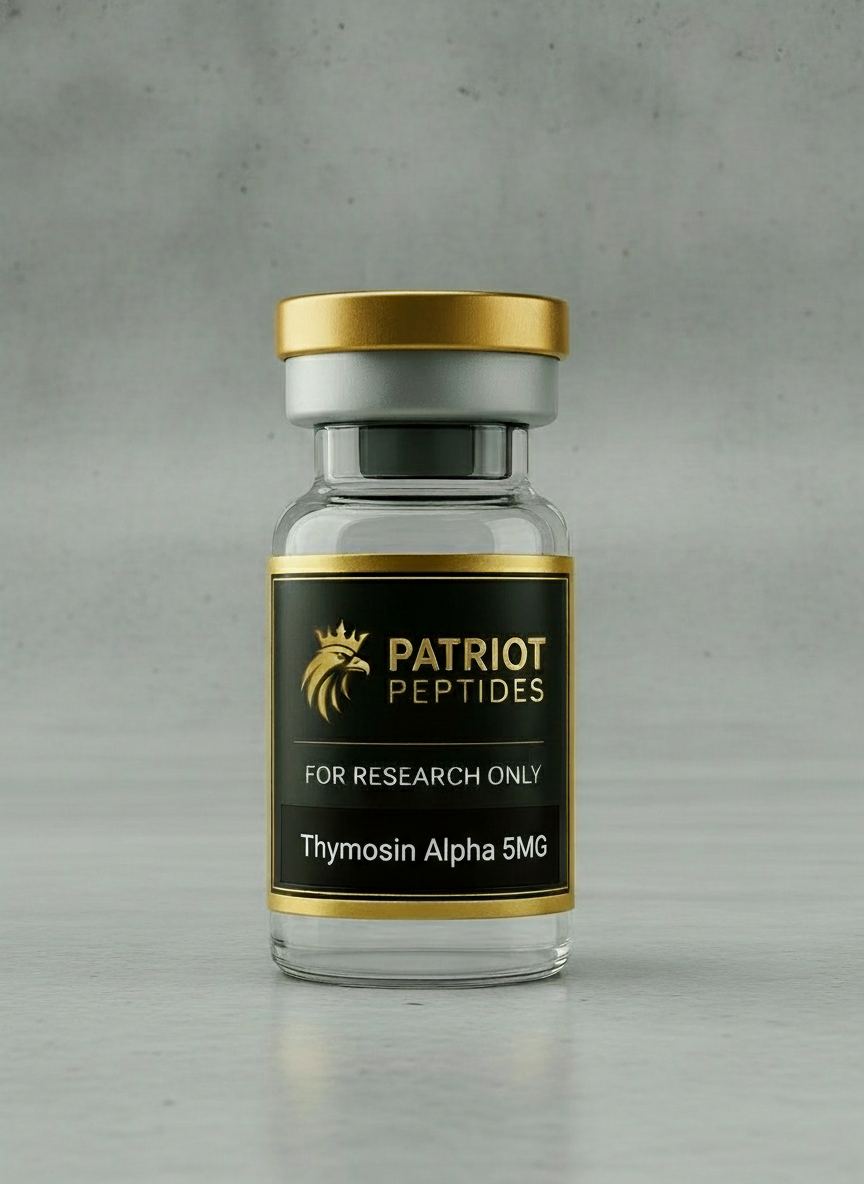
Thymosin Alpha-1 (5mg) is a high-purity research peptide supplied for controlled laboratory investigation. Manufactured under strict quality standards and intended strictly for scientific research environments.
$74.00
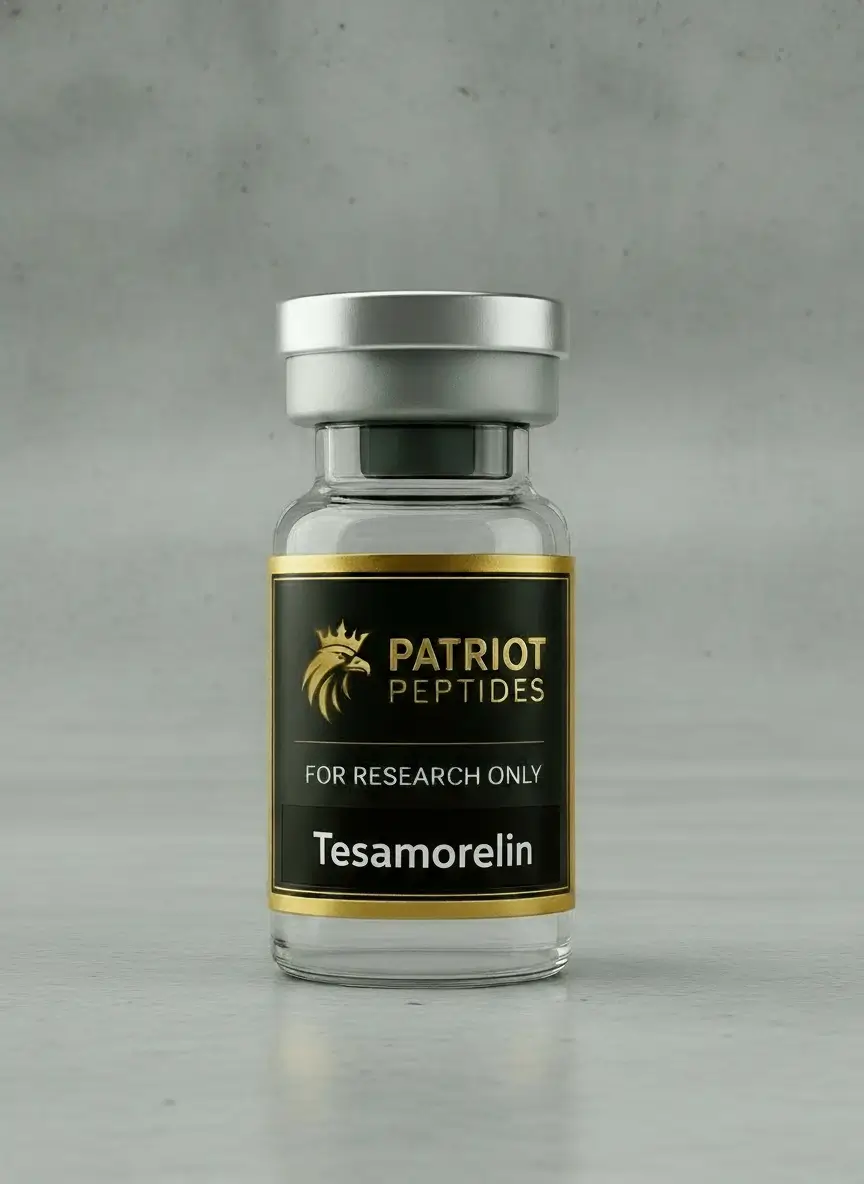
Tesamorelin (2mg) is a laboratory-grade peptide studied in growth hormone signaling and metabolic pathway research. Supplied for controlled research use only.
$84.00
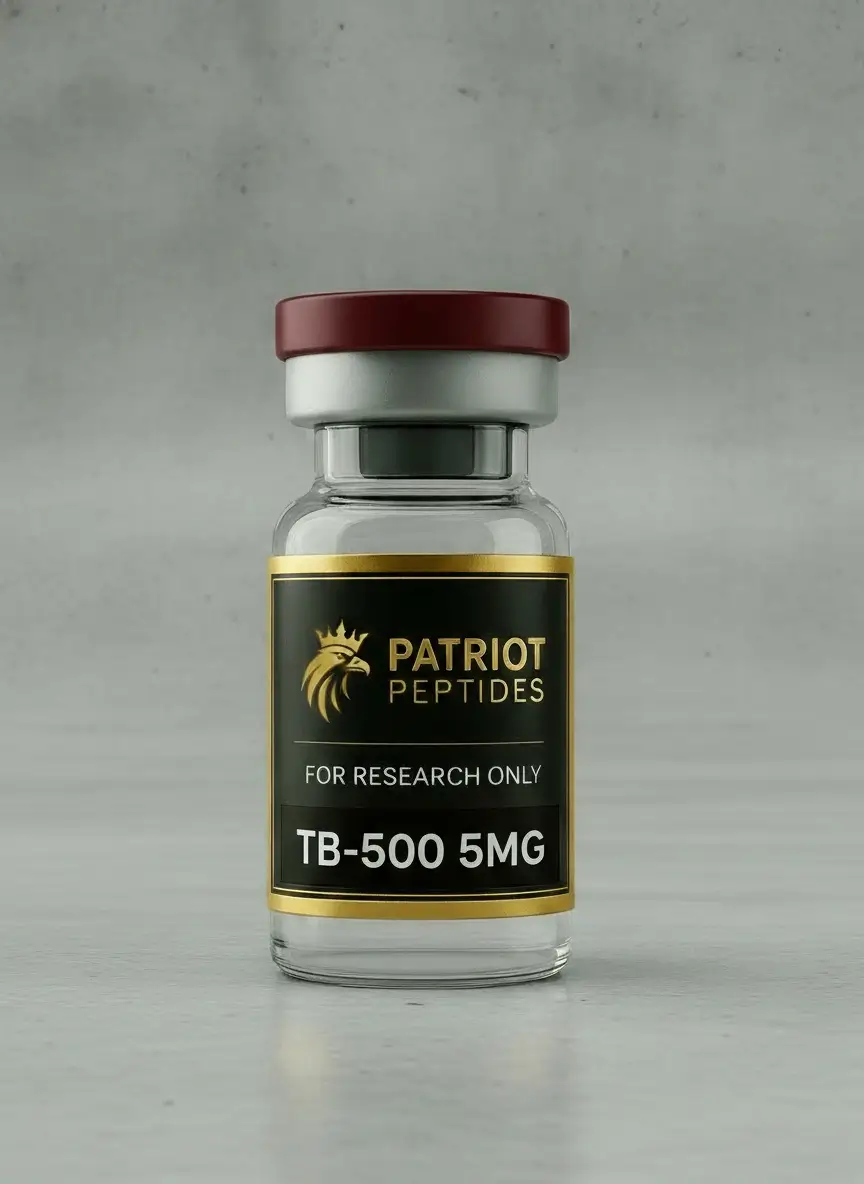
TB-500 (5mg) is a synthetic research peptide supplied for laboratory and scientific investigation. This compound is studied in controlled research environments to examine peptide signaling, cellular processes, and molecular interactions. Provided strictly for research use only.
$84.00

Rachel Donovan –
Totally happy with this AOD-9604. Took a couple of weeks to notice subtle changes, but it definitely helped with my body composition goals. No weird side effects, and it arrived well-packaged.
Marcus L –
Good product overall. I didn’t see dramatic results instantly, but after consistent use I noticed better fat-loss response when paired with my workouts.
Tiffany B –
Reconstituted cleanly with no visible particulates. Ran it through our standard assay panel and results were consistent across replicates.
Elizabeth Moore –
Quality standard meets lab requirements. Vial labels are accurate and powder was well preserved. Would recommend including a COA with orders.
Anthony Carter –
Product showed high consistency and clean solubility for preparation. Packaging and labels were accurate with professional documentation.
Patrick Simmons –
Delivered well packed. Consistent appearance across vials. Performance in controlled tests was solid. Would prefer extended datasheet.
Alyssa Hayes –
High‑quality batch with expected reconstitution properties. No signs of contamination. Packaging and documentation were clear and professional.
Dr. Richardson –
rrived securely packaged with proper labeling. Lyophilized powder was consistent and reconstituted cleanly. Meets quality expectations for controlled lab assays.
J. Edwards –
Product integrity was maintained during shipping. Solubility and batch appearance were satisfactory. Would prefer more detailed batch documentation included.